Story Summary
Explore the legendary life of Saigo Takamori the Last Samurai, the noble warrior who led the Satsuma Rebellion to protect the ancient traditions of Japan.
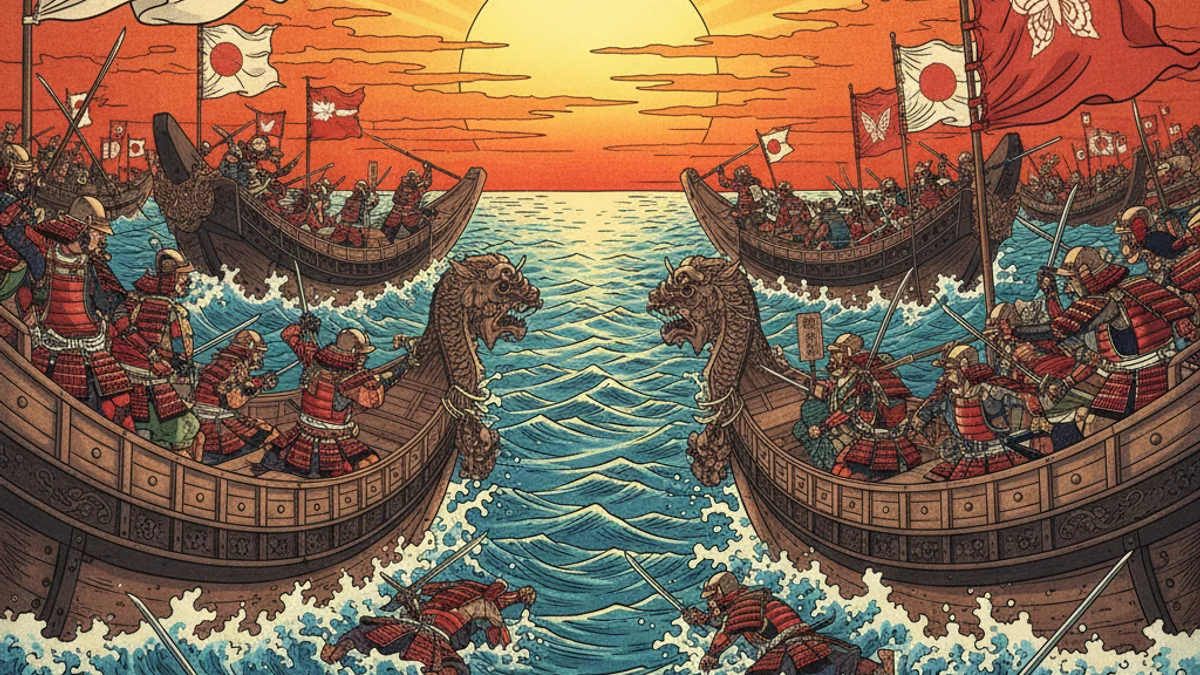
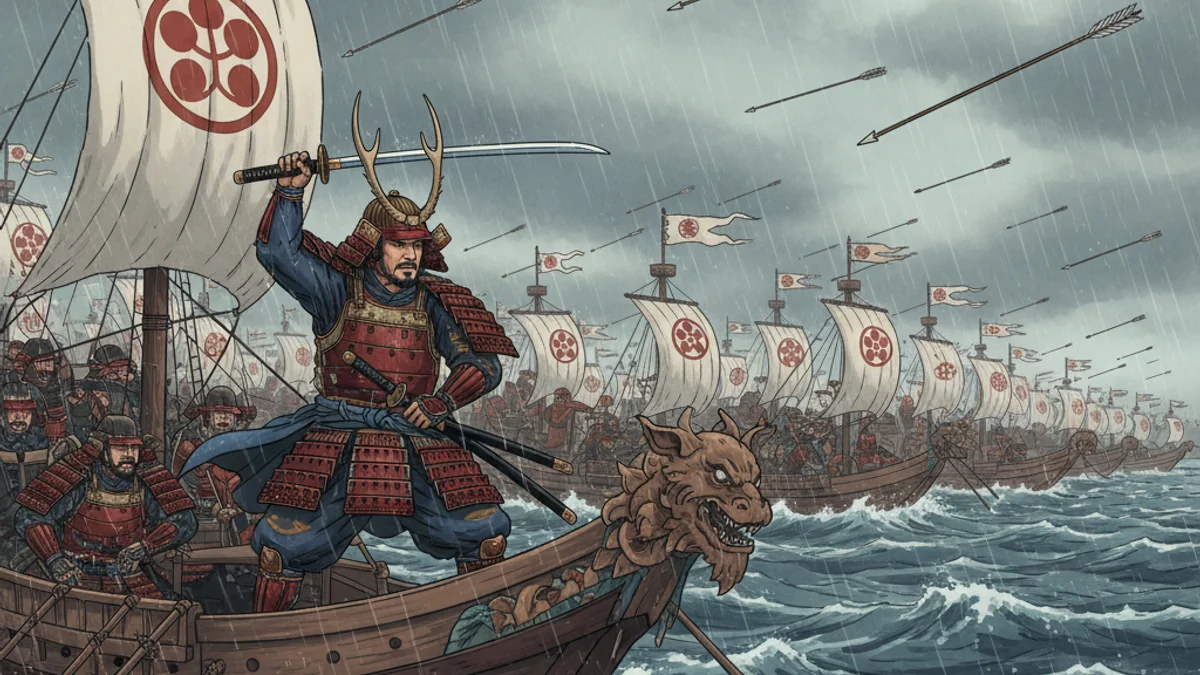
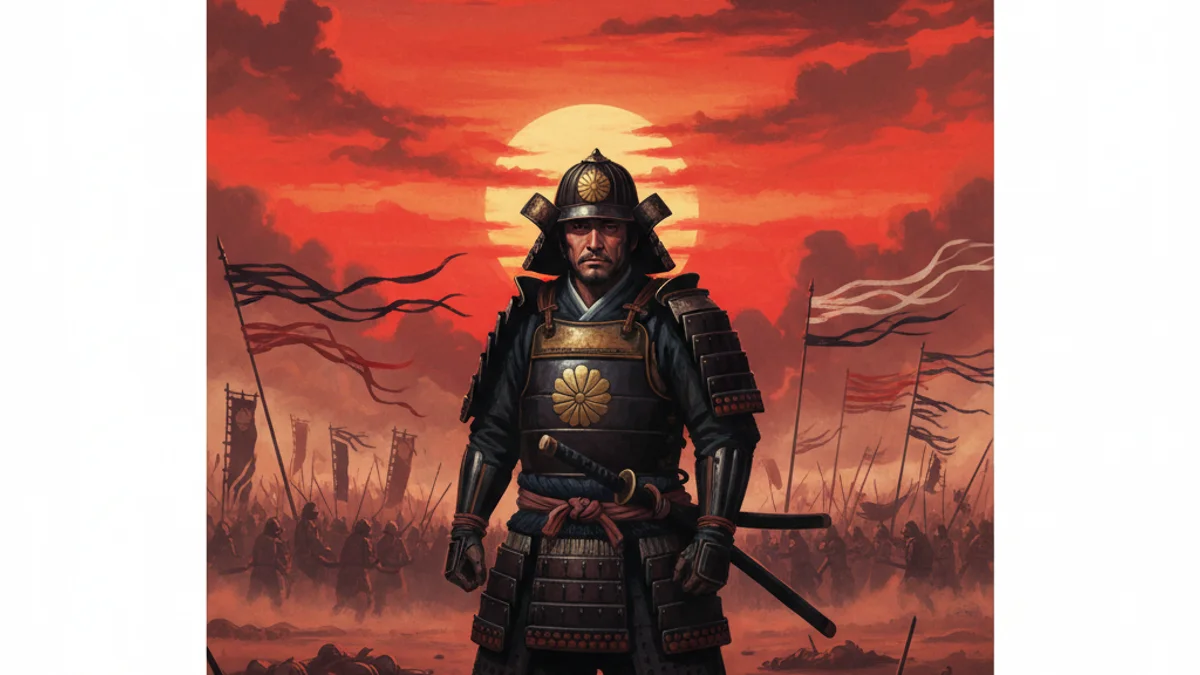
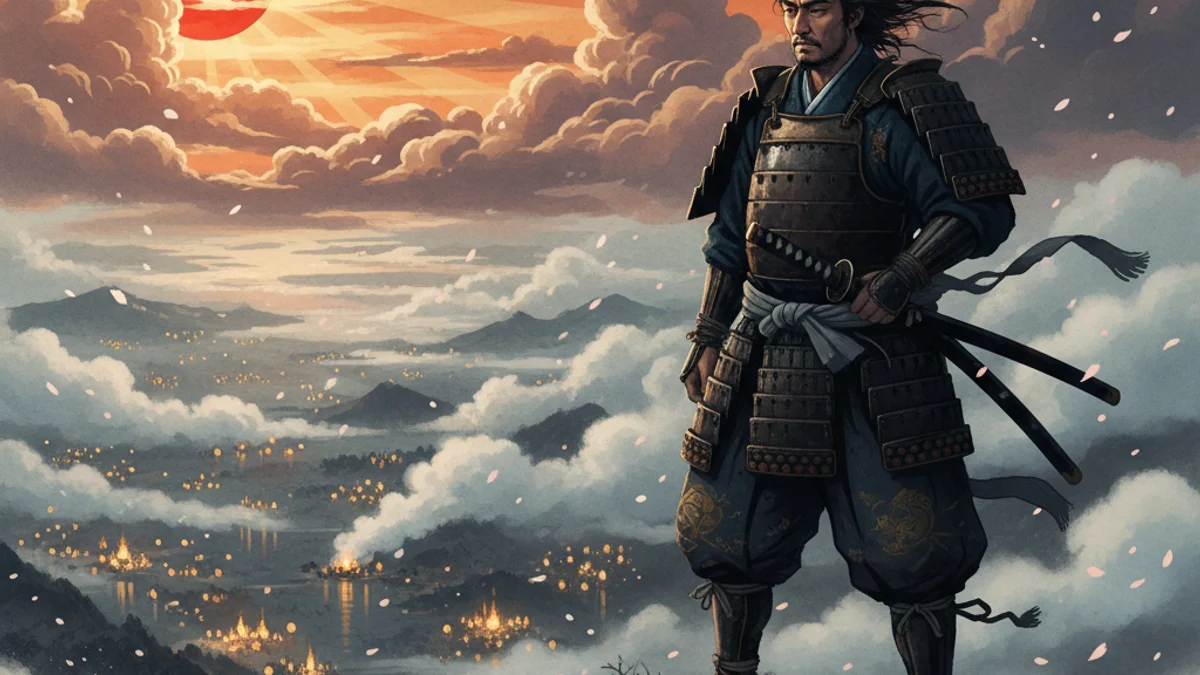
Saigo Takamori was a giant of a man, both in stature and spirit, who played a central role in the Meiji Restoration that ended the shogunate. However, as Japan embraced rapid Westernization, the ancient samurai class found their traditions, status, and right to carry swords abolished. Saigo, feeling the sting of this cultural betrayal, retired to his home in Satsuma. In 1877, he was thrust into the leadership of the Satsuma Rebellion, a final stand by thousands of samurai against the modernized Imperial Army. Outgunned by steamships and conscripted soldiers with rifles, Saigo’s warriors fought with the desperate ferocity of a dying age. At the Battle of Shiroyama, with only a few hundred men remaining against thirty thousand, a wounded Saigo performed ritual seppuku to preserve his honor. His death marked the definitive end of the samurai era, but his commitment to his principles earned him the eternal title of 'The Last Samurai.'
The Moral
True integrity is found in defending one's values and heritage, even when victory is impossible and the world has moved on.
“To lose one's life is a small thing; to lose one's soul is the true tragedy.”
Fun Fact
Despite leading a rebellion against the state, Saigo was so popular that the Emperor posthumously pardoned him in 1889 to appease the public's love for the fallen hero.
Frequently Asked Questions
What is the moral of Saigo Takamori the Last Samurai?
The story teaches that honor and loyalty to one's principles are more valuable than life itself. It highlights the importance of preserving cultural identity even in the face of inevitable change.
Why did Saigo Takamori rebel against the government?
He led the Satsuma Rebellion because he believed the Meiji government's rapid Westernization was destroying the traditional samurai spirit and Japanese culture. He fought to protect the dignity of the warrior class.
How did Saigo Takamori die?
He died during the Battle of Shiroyama in 1877. After being severely wounded in the thigh and stomach, he committed seppuku (ritual suicide) with the help of his loyal lieutenants.
Was Saigo Takamori a real person?
Yes, Saigo Takamori was a historical figure and remains one of the most influential people in Japanese history. He is often referred to as one of the 'Three Great Nobles' of the Meiji Restoration.
Is 'The Last Samurai' movie based on Saigo Takamori?
The 2003 film featuring the character Lord Katsumoto is loosely inspired by the life of Saigo Takamori and the events of the Satsuma Rebellion. While fictionalized, it captures his spirit of resistance.
What happened to the samurai after Saigo's death?
His death marked the end of the samurai as a functioning social and military class in Japan. The country fully transitioned to a modern national army, though the bushido code continued to influence Japanese culture.
Discussion (0)
Share your thoughts on this story
No comments yet. Be the first to share your thoughts!