Story Summary
Discover the Epic of Gilgamesh in The Bull of Heaven. When King Gilgamesh rejects the goddess Ishtar, she unleashes a celestial beast to destroy the city of Uruk.
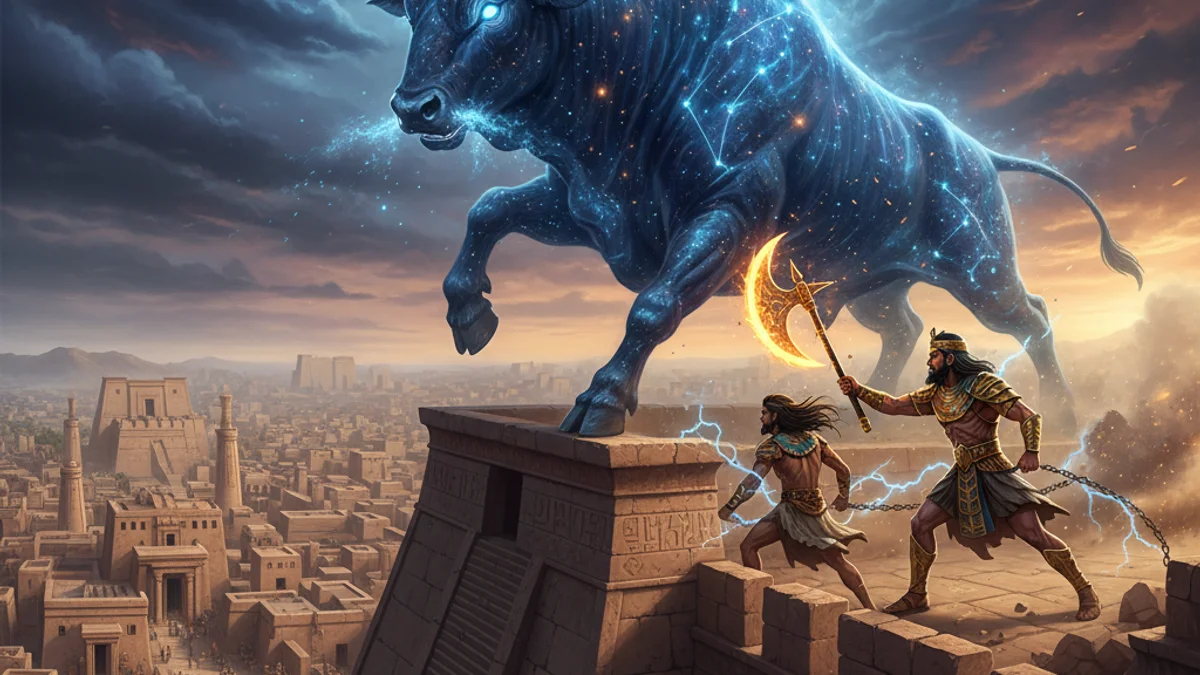
After returning from the Cedar Forest, King Gilgamesh washed his hair and donned his royal robes. His beauty was so radiant that Ishtar, the goddess of love and war, was overcome with desire. She proposed marriage, promising him wealth and power beyond measure. However, Gilgamesh, knowing the tragic fates of her former lovers, cruelly rejected her. Enraged, Ishtar ascended to the heavens and demanded her father, Anu, release the Bull of Heaven to strike down Gilgamesh. When Anu hesitated, she threatened to break open the gates of the Underworld. Anu relented, and the Bull descended upon Uruk. With each snort, the beast opened pits in the earth that swallowed hundreds of men. Yet, Gilgamesh and his companion Enkidu did not flee. Together, they wrestled the divine beast. While Enkidu seized its horns, Gilgamesh drove his sword into its neck, slaying the monster. Their victory was absolute, but the gods were not pleased by such defiance.
The Moral
Even the greatest heroes must face the consequences of challenging the divine, as arrogance can lead to tragic loss.
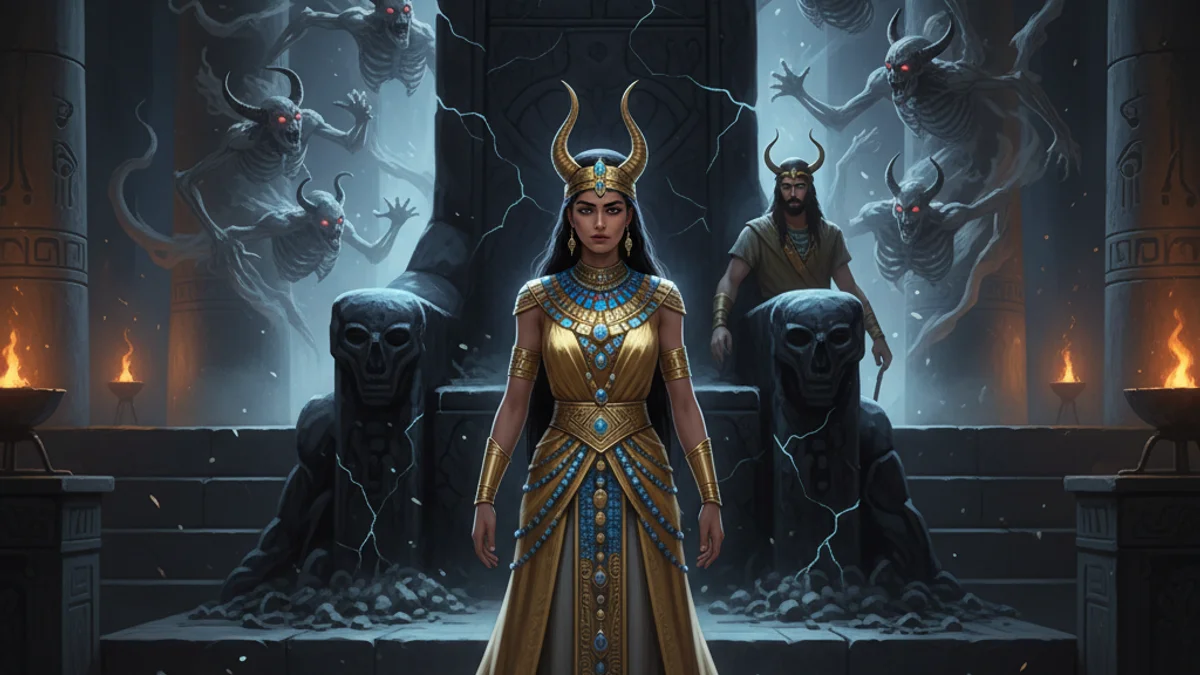
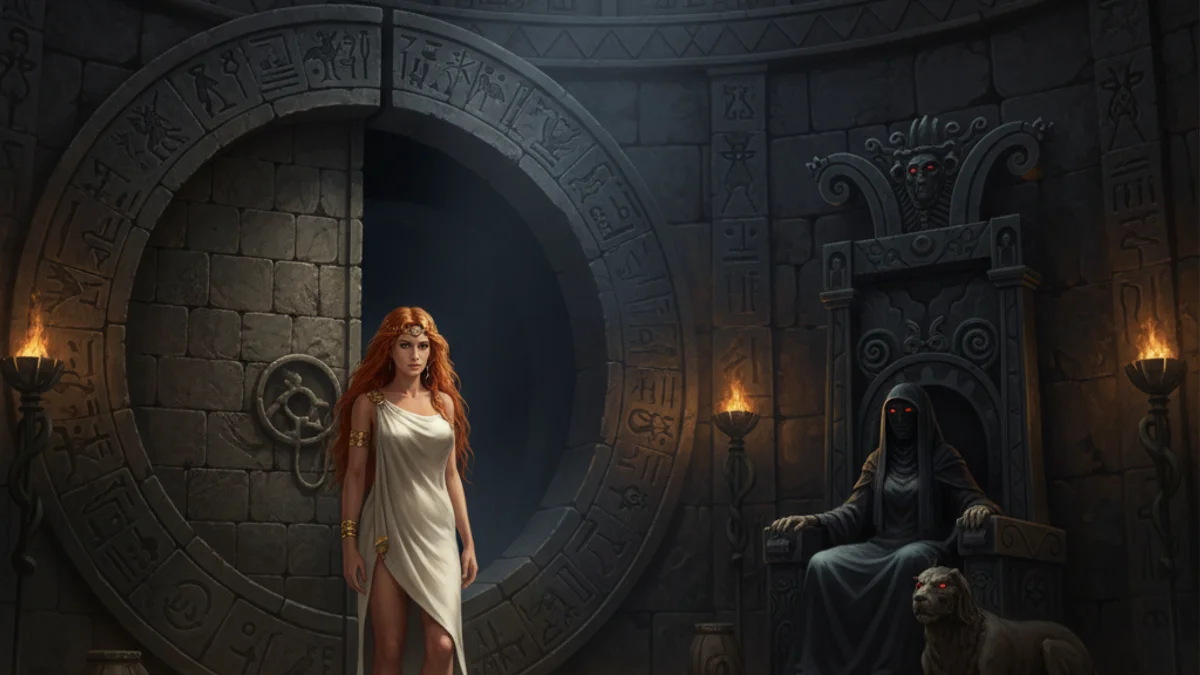
“If you do not give me the Bull of Heaven, I will smash the gates of the Netherworld!”
Fun Fact
The constellation Taurus is believed to be the celestial remnant of the Bull of Heaven, and the story itself is one of the earliest recorded examples of the 'slaying the monster' trope.
Frequently Asked Questions
What is the moral of The Bull of Heaven?
The story warns against the dangers of hubris and insulting the gods. While the heroes prevail, their disrespect toward Ishtar ultimately leads to a heavy price—the death of Enkidu.
Why did Ishtar send the Bull of Heaven?
Ishtar sent the Bull of Heaven as an act of revenge after Gilgamesh rejected her proposal of marriage and publicly insulted her by listing the misfortunes of her past lovers.
Who killed the Bull of Heaven?
The Bull of Heaven was killed by the combined efforts of Gilgamesh and his companion Enkidu, who worked together to restrain and then slaughter the divine beast.
What does the Bull of Heaven symbolize?
In Mesopotamian culture, the Bull of Heaven likely symbolized drought and seismic activity, as its presence caused the earth to crack and vegetation to wither.
What was the consequence of killing the Bull?
The gods were outraged by the death of the celestial beast. As punishment for their defiance, the divine council decreed that one of the two heroes must die, leading to Enkidu's illness and passing.
How did Ishtar convince Anu to give her the Bull?
Ishtar threatened to smash the gates of the Underworld and release the dead to devour the living if her father, Anu, did not grant her the Bull of Heaven.
Discussion (0)
Share your thoughts on this story
No comments yet. Be the first to share your thoughts!