Story Summary
Discover the epic rise of The Golden Horde, the Mongol khanate that dominated the western steppes and reshaped the history of Eurasia through power and trade.
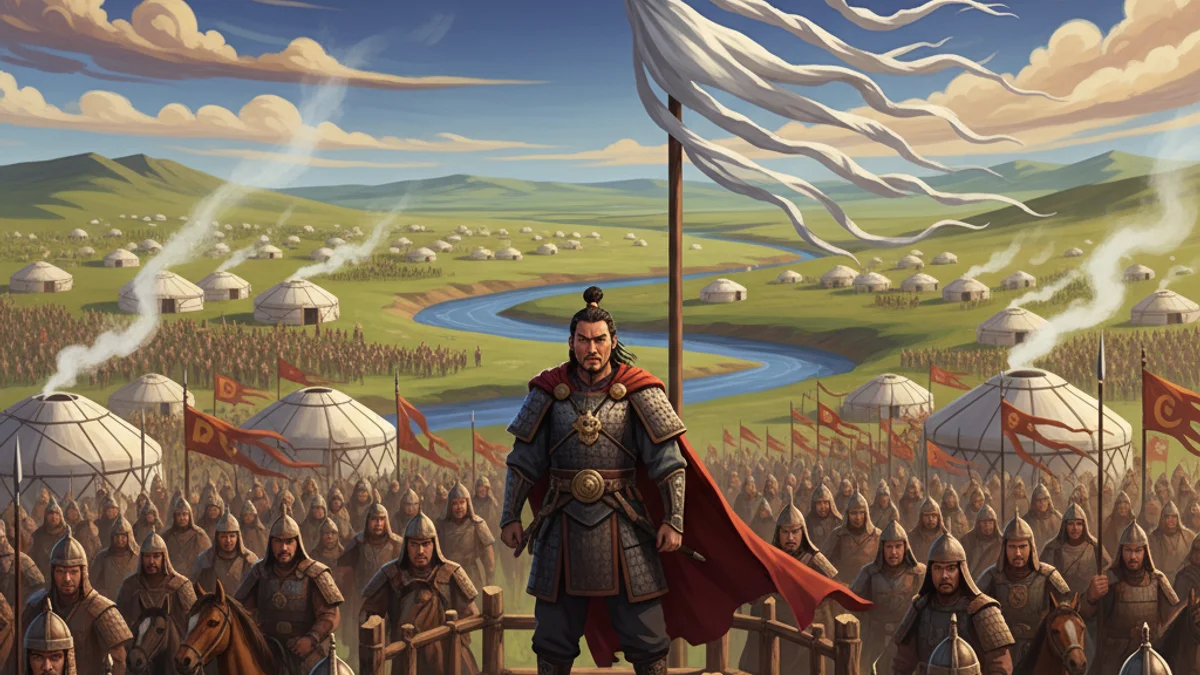
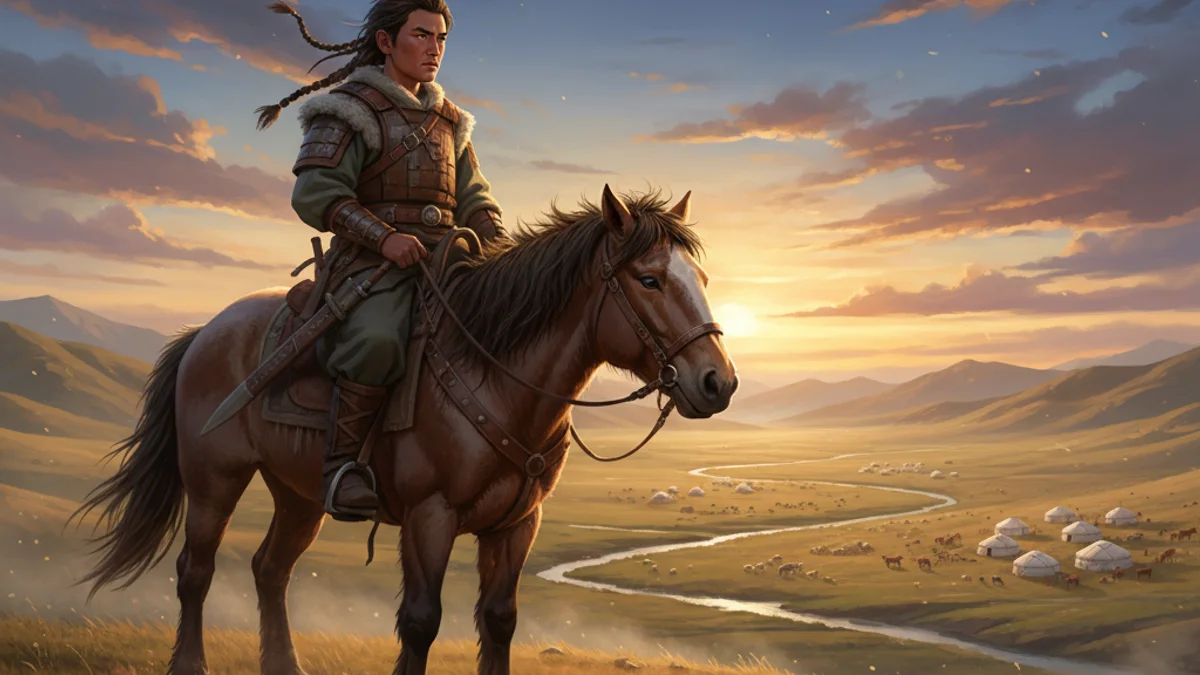
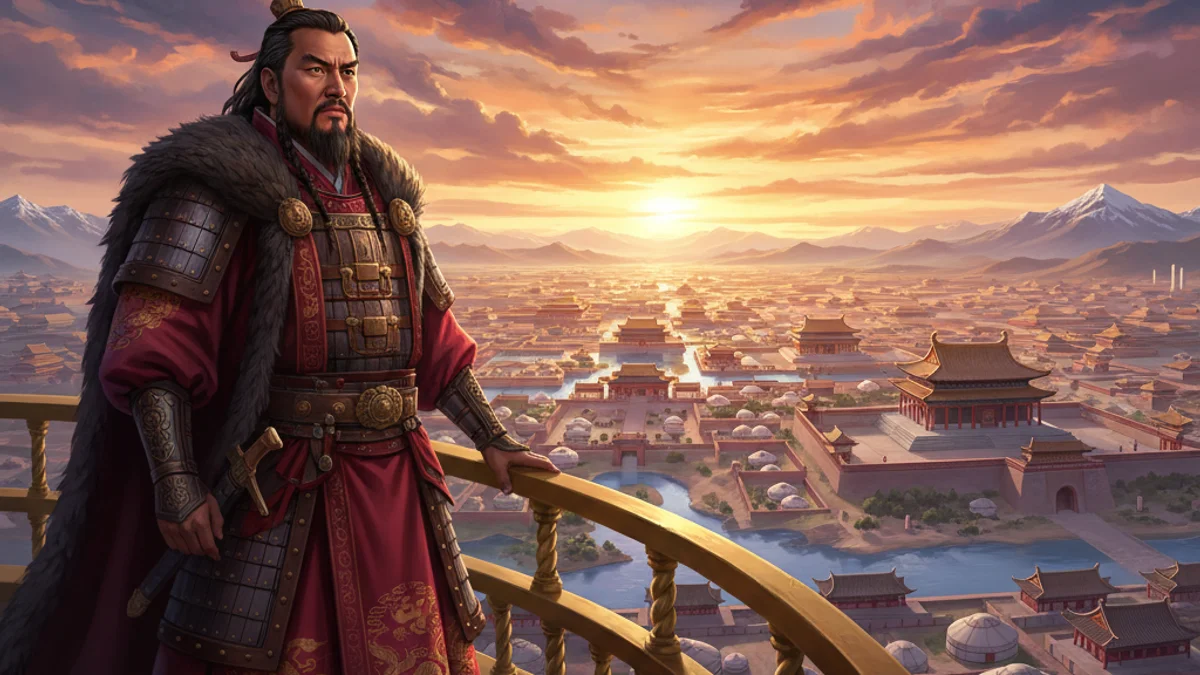
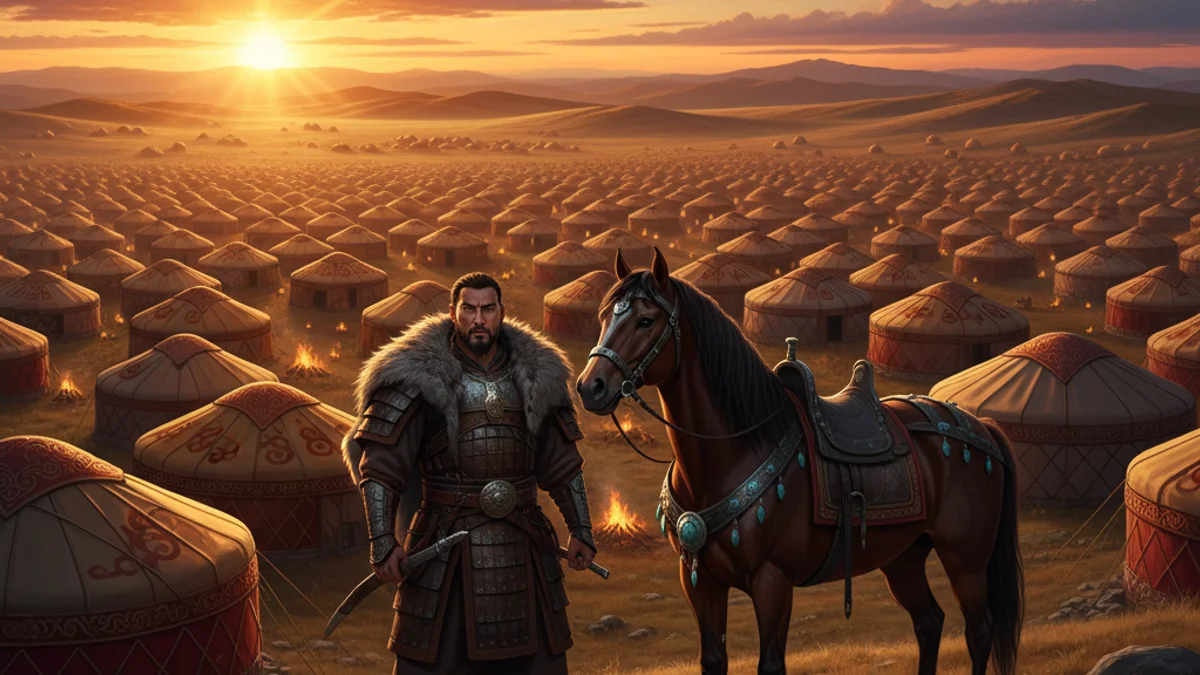
After the passing of Genghis Khan, his grandson Batu inherited the western reaches of the Mongol Empire. Alongside the legendary general Subutai, Batu led a disciplined cavalry that swept across the Rus' principalities and deep into Europe. This western division became known as the Golden Horde, a name derived from the shimmering 'Altan Ordu'—the golden central camp of the Khan. Unlike many conquerors, the Golden Horde did not just destroy; they established the capital of Sarai and created a complex administration that governed the vast steppes for centuries. Under leaders like Berke Khan, the Horde transitioned from a nomadic army into a sophisticated state that bridged the Silk Road, fostering trade between the East and West. Their reign was defined by a blend of fierce military might and an unexpected tolerance for the diverse religions and cultures within their sprawling borders.
The Moral
True strength is found in discipline and the ability to adapt one's rule to the changing tides of culture and faith.
“From the sunrise to the sunset, the earth trembles beneath the hooves of the Golden Horde.”
Fun Fact
The Golden Horde was one of the longest-lasting Mongol khanates, maintaining its influence for over 250 years.
Frequently Asked Questions
What is the moral of The Golden Horde?
The story teaches that while conquest requires military discipline, maintaining an empire requires cultural adaptability and the protection of trade. It highlights how power must evolve to endure across generations.
Who was the primary leader of the Golden Horde?
Batu Khan, the grandson of Genghis Khan, was the primary founder and leader who established the Horde's dominance in the west. He was supported by the master strategist Subutai.
Why was it called the 'Golden' Horde?
The name most likely comes from the golden color of the Khan's royal tent, symbolizing his immense wealth and high status. In steppe culture, gold was a color reserved for the imperial family.
What territory did the Golden Horde control?
Their territory stretched from the Carpathian Mountains in Eastern Europe to the Altai Mountains in Central Asia, covering much of modern-day Russia, Ukraine, and Kazakhstan.
How did the Golden Horde affect world trade?
By securing the western end of the Silk Road, the Golden Horde allowed for safer and more consistent trade between Europe, the Middle East, and China. This period of stability is often called the Pax Mongolica.
What led to the eventual decline of the Golden Horde?
The decline was caused by internal power struggles between rival princes, the devastating impact of the Black Death, and the rising power of the Grand Duchy of Moscow and the Timurid Empire.
Discussion (0)
Share your thoughts on this story
No comments yet. Be the first to share your thoughts!