Story Summary
Discover the mystical Hasidic tale of The Sabbath Queen, where the Holy Ari and his disciples welcome a divine presence of peace into the hills of Safed.
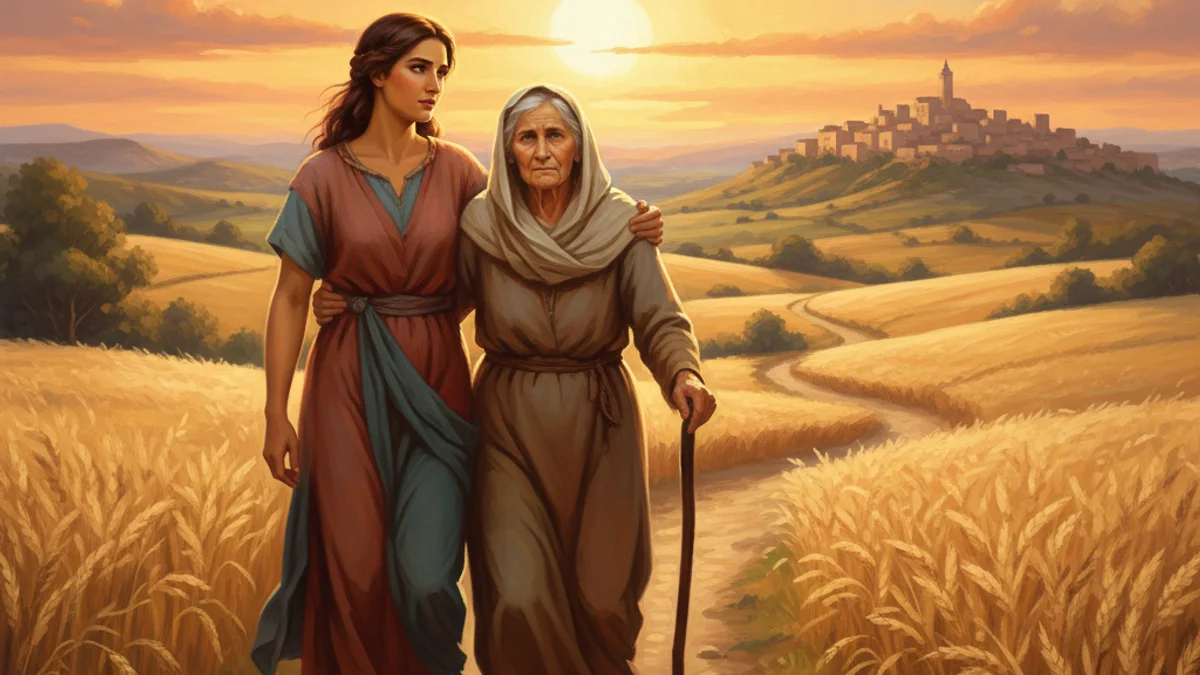
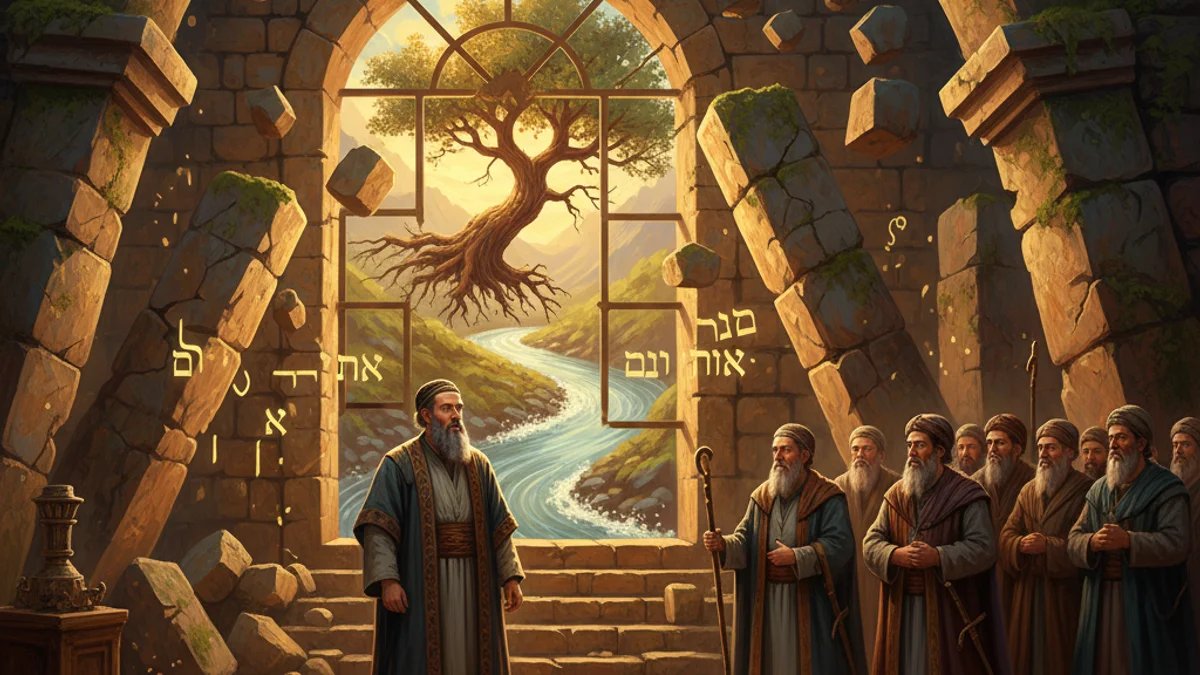
In the mystical city of Safed, nestled among the rolling hills of Galilee, Rabbi Isaac Luria, known as the Holy Ari, would lead his disciples into the open fields every Friday evening. Dressed in pristine white garments to mirror the purity of the heavens, they stood as the sun began its golden descent. They were not merely watching a sunset; they were waiting for a royal visitor. As the first stars appeared, the Ari would close his eyes and announce the arrival of the Shabbat Hamalka—the Sabbath Queen. He taught that this divine presence brought with her a 'Neshamah Yeterah,' an extra soul, to every person, transforming their workday fatigue into celestial joy. Through his eyes, the world ceased to be a place of toil and became a palace of light. The story reminds us that holiness is not found in distant places, but in the intentional welcoming of peace into our own hearts and homes.
The Moral
The transition from labor to rest is a sacred act that requires preparation and a willing heart to receive peace.
“Come, my beloved, to meet the Bride; let us welcome the presence of the Sabbath.”
Fun Fact
The famous liturgical poem 'Lekhah Dodi,' sung by Jews worldwide every Friday night, was written by Shlomo Alkabetz specifically to honor the tradition of the Sabbath Queen.
Frequently Asked Questions
What is the moral of The Sabbath Queen?
The moral is that spiritual rest and peace are gifts we must actively prepare for and welcome. It teaches that the mundane world can be transformed into something sacred through intention and mindfulness.
Who is the Sabbath Queen in Jewish tradition?
The Sabbath Queen is a personification of the Sabbath day itself, representing the Divine Presence or Shekhinah. She is often depicted as a bride or queen who visits the world to bring peace and spiritual renewal.
What is the significance of white clothing in the story?
In Hasidic and Kabbalistic tradition, white clothing symbolizes purity, joy, and the shedding of worldly concerns. It is worn to honor the arrival of the Sabbath and to reflect the light of the extra soul.
Where does the legend of the Sabbath Queen originate?
The concept originated in the Talmud but was greatly expanded by the Kabbalists of Safed in the 16th century. Rabbi Isaac Luria and his circle formalized the ritual of going into the fields to welcome the Sabbath.
What is the 'Extra Soul' mentioned in the tale?
The 'Neshamah Yeterah' is a mystical concept meaning an additional spiritual dimension given to a person during the Sabbath. It allows one to experience deeper joy, heightened awareness, and a closer connection to the divine.
How is the Sabbath Queen welcomed today?
Jewish communities welcome the Sabbath Queen through the 'Kabbalat Shabbat' service, which includes the singing of 'Lekhah Dodi.' Families also light candles and share a festive meal to honor her presence.
Discussion (0)
Share your thoughts on this story
No comments yet. Be the first to share your thoughts!