Story Summary
Discover the legendary Story of the Barber's Six Brothers from the Arabian Nights. Explore their comedic and tragic tales of folly, trickery, and bad luck.
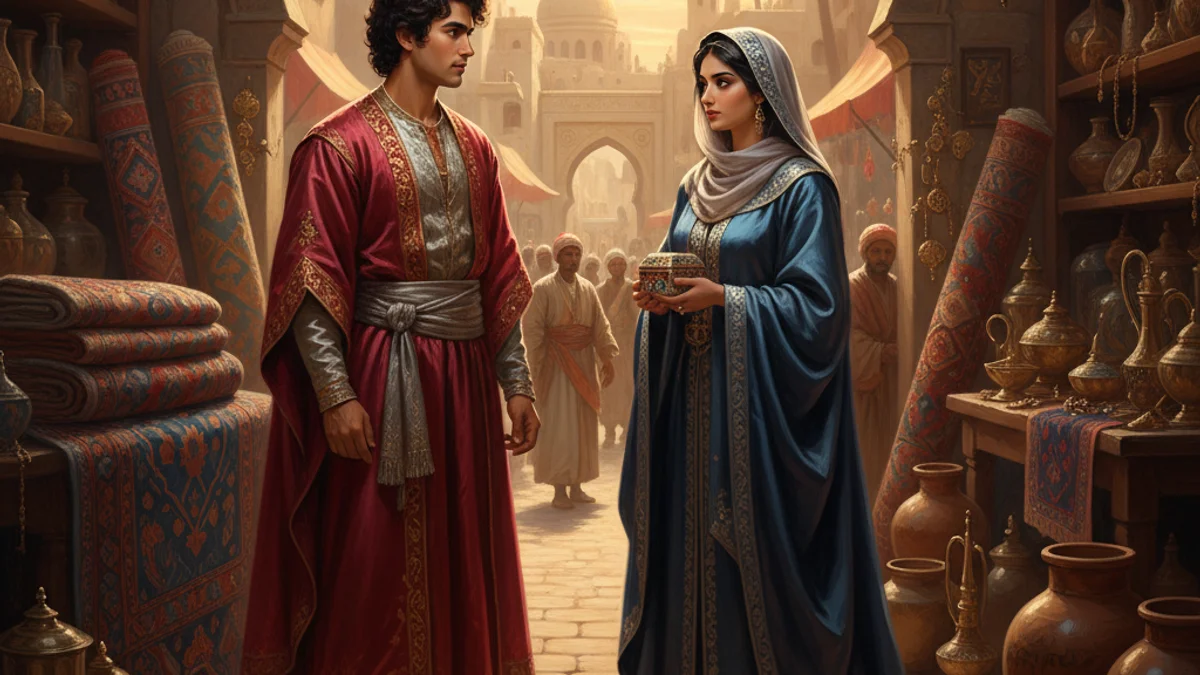
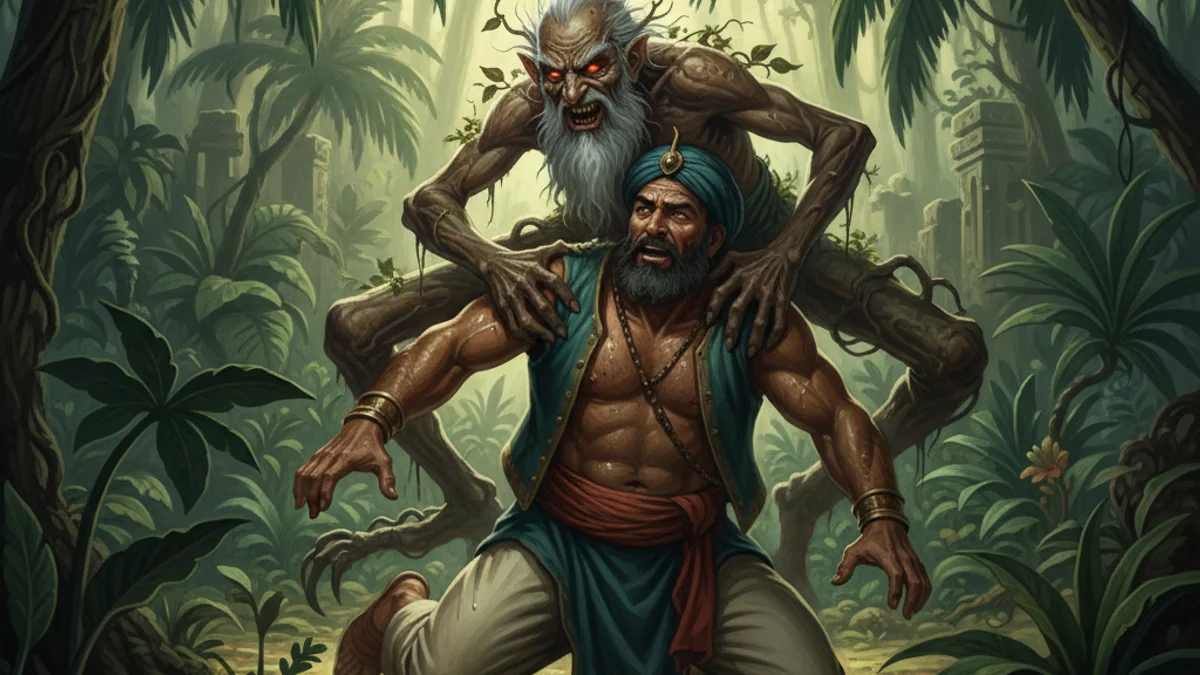
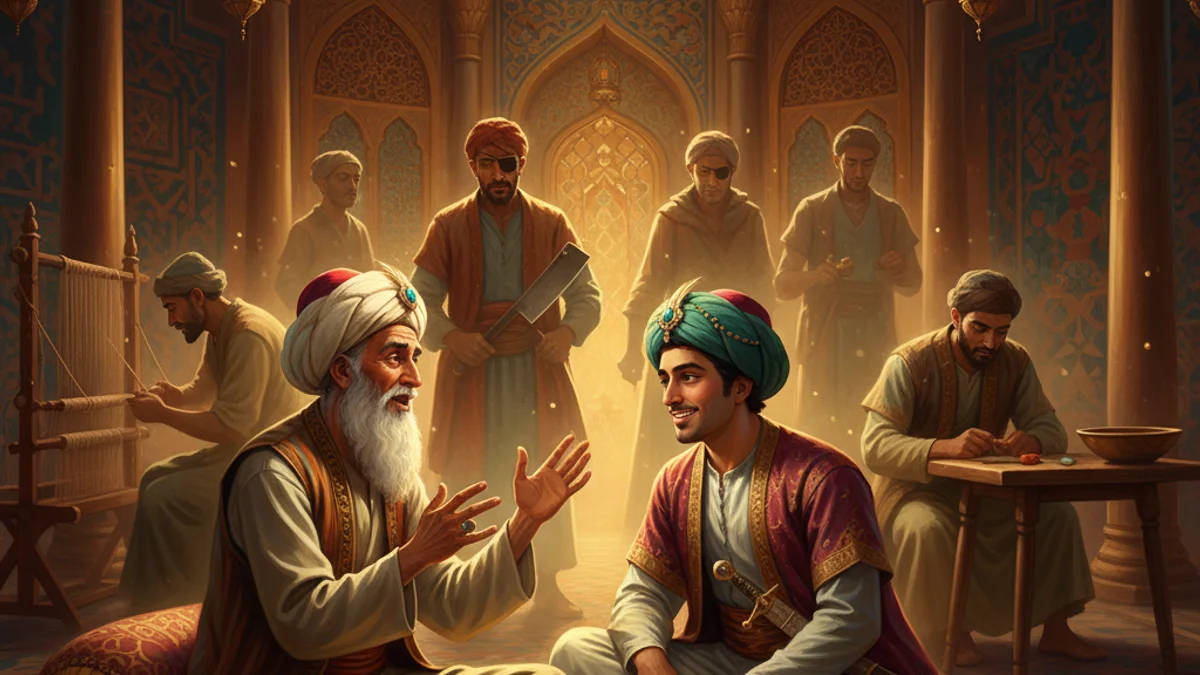
In the city of Baghdad, a garrulous barber recounted the misfortunes of his six brothers to the Caliph to prove his own wisdom. The first, Bacbouc, was a hunchback weaver swindled by a grand lady. The second, Bakbarah, was a toothless man led into a humiliating trap by a teasing damsel. The third, Bakbac, was a blind man robbed and beaten by a treacherous trickster. The fourth, Al-Kuz, was a one-eyed butcher who fell victim to a magician’s sorcery and was driven from his home. The fifth, Al-Ashar, famously dreamed of wealth while sitting over a tray of glassware, only to kick his stock into shards in a moment of hubris. Finally, the sixth brother, Shakashik, was a beggar who humored a nobleman by eating a magnificent, yet entirely imaginary, feast. Each brother, though flawed or unfortunate, represented a unique lesson in the unpredictability of fate and the varied ways men are humbled by their own desires or the cruelty of others.
The Moral
Vanity and gullibility often lead to ruin, but patience and a sense of humor are the only remedies for the whims of fate.
“He who builds his house on the shifting sands of a dream must not complain when the wind blows it away.”
Fun Fact
The story of the fifth brother, Al-Ashar, is the origin of the 'Alnaschar's Castle' idiom, which refers to building 'castles in the air' or counting chickens before they hatch.
Frequently Asked Questions
What is the moral of The Story of the Barber's Six Brothers?
The moral is that vanity and gullibility often lead to one's own ruin, as seen through the brothers' various mishaps. It serves as a cautionary tale about the importance of being grounded in reality and wary of deception.
Who are the six brothers?
The six brothers are Bacbouc, Bakbarah, Bakbac, Al-Kuz, Al-Ashar, and Shakashik. Each brother possesses a physical infirmity and a specific tale of misfortune that the barber shares with the Caliph.
What happened to the fifth brother, Al-Ashar?
Al-Ashar is famous for his daydreams of becoming a merchant while sitting with a tray of glassware. He accidentally kicked the tray and shattered his only source of income while imagining a moment of arrogant triumph.
How did the sixth brother deal with the Barmecide feast?
Shakashik was a hungry beggar invited to a feast by a nobleman who served only imaginary food. By playing along with the ruse and pretending to get drunk on invisible wine, he earned the nobleman's respect and a real meal.
Who narrates the story of the six brothers?
The stories are narrated by the Barber of Baghdad, a man known for his incessant talking despite his nickname 'The Silent.' He recounts these tales to the Caliph to illustrate his family's history and his own character.
Why are these tales significant in the Arabian Nights?
These tales are significant because they utilize the 'story within a story' structure common in the Arabian Nights. They blend dark comedy with social commentary on how the vulnerable were treated in medieval society.
Discussion (0)
Share your thoughts on this story
No comments yet. Be the first to share your thoughts!