Story Summary
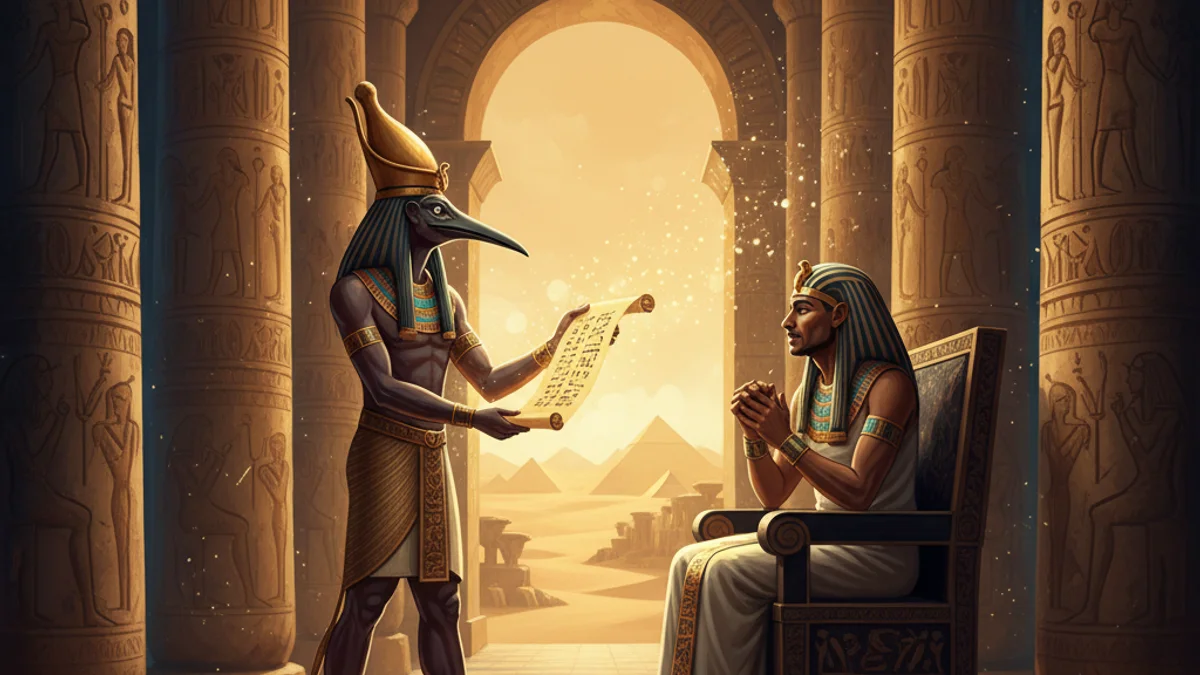
Discover the myth where Thoth Invents Writing. As the god of wisdom presents his gift to King Thamus, a debate unfolds about the future of human memory and knowledge.
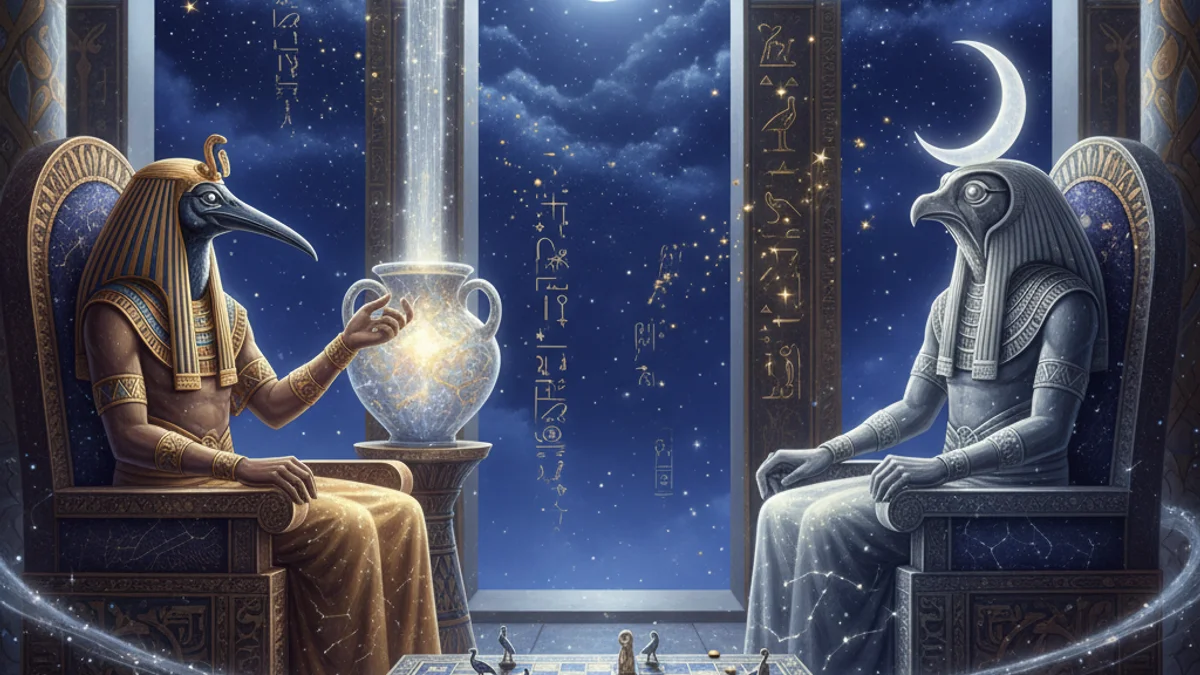
In the golden age of Egypt, Thoth, the ibis-headed god of wisdom, crafted the art of writing. He presented this 'medu netjer'—the divine words—to King Thamus, claiming it would make the people wiser and improve their memories. Thamus, however, was wary. He argued that writing would foster forgetfulness, as people would rely on external marks rather than internal recollection. He warned that students would receive information without proper instruction, gaining the reputation for wisdom without the reality of it. While Thoth saw writing as a bridge to knowledge, Thamus feared it would offer only the shadow of understanding. Despite these concerns, the gift was bestowed, forever changing how humanity recorded its history and shared its soul.
The Moral
True wisdom comes from internalizing knowledge rather than just recording it; tools can assist the mind, but they cannot replace the work of understanding.
“You have provided your students with the appearance of wisdom, not with its reality.”
Fun Fact
The ancient Egyptians believed that hieroglyphs were so powerful that certain symbols, like those of dangerous animals, were sometimes drawn partially broken to prevent them from coming to life.
Frequently Asked Questions
What is the moral of Thoth Invents Writing?
The story suggests that while technology can aid memory, it can also lead to mental laziness. It emphasizes that true wisdom is the result of deep internal reflection, not just the possession of information.
Who is the god Thoth in Egyptian mythology?
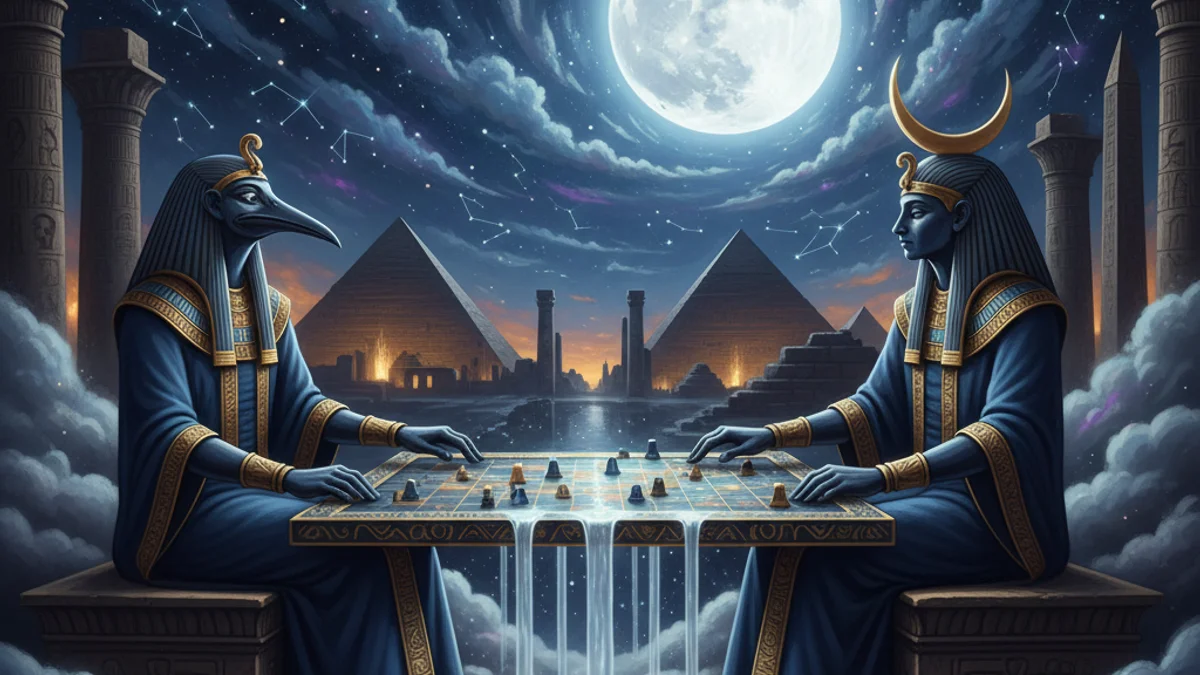
Thoth is the ancient Egyptian god of wisdom, writing, magic, and the moon. He is often depicted with the head of an ibis or a baboon and served as the scribe of the gods.
Why did King Thamus criticize the invention of writing?
Thamus believed that writing would cause people to stop practicing their memory, making them reliant on written symbols. He feared it would give people the reputation for wisdom without the reality of it.
Where does the story of Thoth and Thamus come from?
While based on Egyptian motifs, this specific version of the story is most famously recorded by the Greek philosopher Plato in his dialogue 'Phaedrus.' It reflects ancient debates about oral versus written culture.
What did the Egyptians call their system of writing?
The Egyptians called their writing 'medu netjer,' which translates to 'the god's words' or 'divine speech.' They believed the script held inherent magical power and spiritual significance.
How did Thoth's invention change Egyptian society?
Writing allowed for the administration of a complex state, the recording of sacred rituals, and the preservation of history. It elevated the role of the scribe to one of the most respected positions in Egyptian culture.
Discussion (0)
Share your thoughts on this story
No comments yet. Be the first to share your thoughts!