
MF
MoralFables
Aesopjustice

A Hasty Settlement

In "A Hasty Settlement," an attorney proposes to reopen a concluded estate case after realizing there may be remaining assets, prompting the judge to reconsider the initial valuation. This concise moral story highlights the importance of diligence and the potential for overlooked opportunities, reminding readers that lessons learned from stories can inspire a deeper understanding of justice and fairness in seemingly settled matters.

2 min read
2 characters
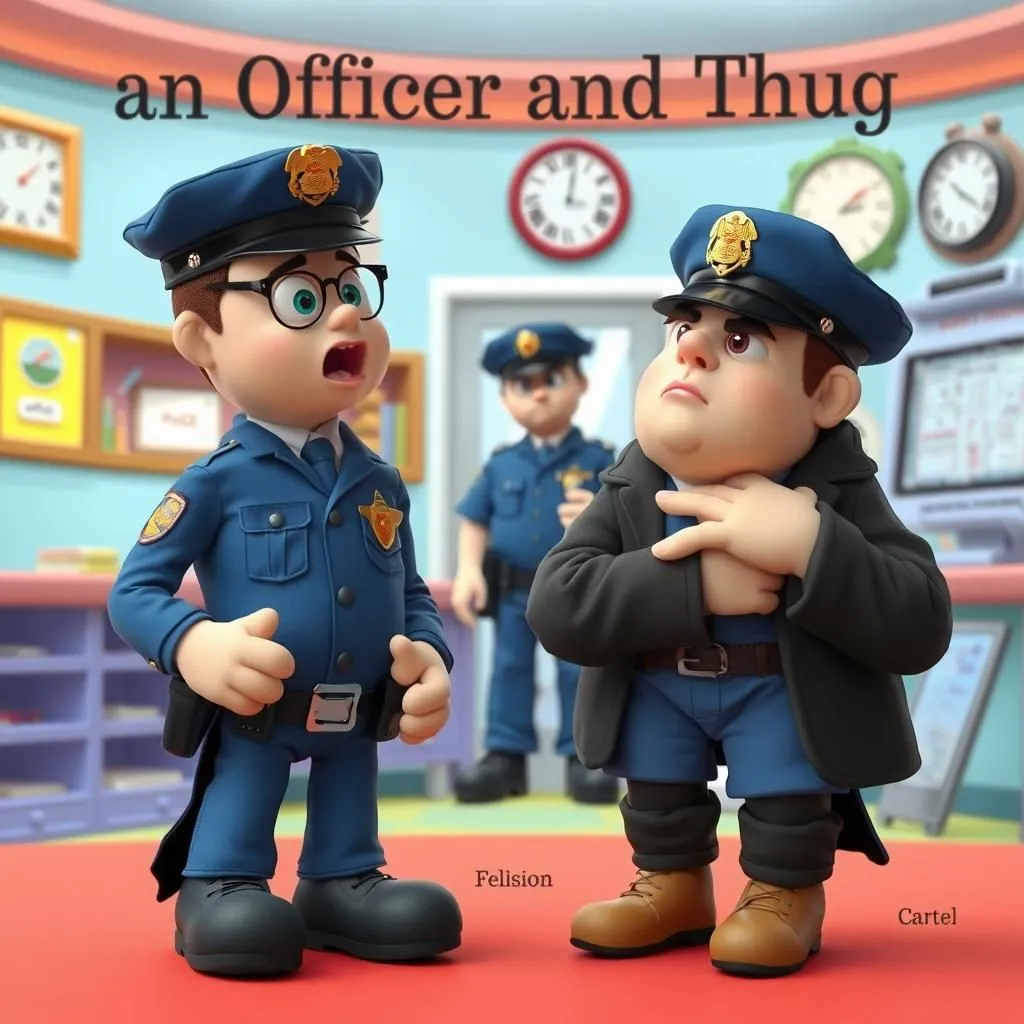
A Hasty Settlement - Aesop's Fable illustration about justice, greed, deception
2 min2
0:000:00
Reveal Moral

"The pursuit of personal gain can lead to the reopening of settled matters, highlighting the potential for greed to undermine justice and closure."

You May Also Like

The No Case - Aesop's Fable illustration featuring Statesman and  Sheriff
JusticeAesop's Fables

The No Case

In "The No Case," a statesman humorously challenges the charges against him after being indicted by a Grand Jury, requesting dismissal due to a lack of evidence. He presents a check as proof of this absence, which the District Attorney finds so compelling that he claims it could exonerate anyone, showcasing the wit often found in entertaining moral stories and short tales with moral lessons. This life-changing story highlights the absurdity of justice and the clever use of humor to navigate serious situations.

StatesmanSheriff
JusticeRead Story →
The Bat and the Weasels - Aesop's Fable illustration featuring Bat and  Weasel
deceptionAesop's Fables

The Bat and the Weasels

In this thought-provoking moral story, a clever Bat encounters two different Weasels, each time using his wits to adapt his identity and escape being eaten. First, he deceives one Weasel by claiming to be a mouse, and then he convinces another that he is not a mouse but a Bat, showcasing the importance of resourcefulness in difficult situations. This short story serves as an educational moral tale about the value of turning circumstances to one's advantage.

BatWeasel
deceptionRead Story →
The Thistles upon the Grave - Aesop's Fable illustration featuring Mind Reader and  Thistles
DeceptionAesop's Fables

The Thistles upon the Grave

In the very short moral story "The Thistles upon the Grave," a Mind Reader wagers that he can be buried alive for six months, using thistles to secure his grave against disturbances. However, after only three months, he emerges to eat the thistles, losing the bet and illustrating the folly of underestimating basic needs. This simple short story serves as a reminder that even the most clever plans can be undone by simple desires, making it a notable example among famous moral stories for class 7.

Mind ReaderThistles
DeceptionRead Story →

Quick Facts

Age Group
adult
Theme
justice
greed
deception
Characters
Attorney
Judge

Subscribe to Daily Stories

Get a new moral story in your inbox every day.

Spin for a Story

Share