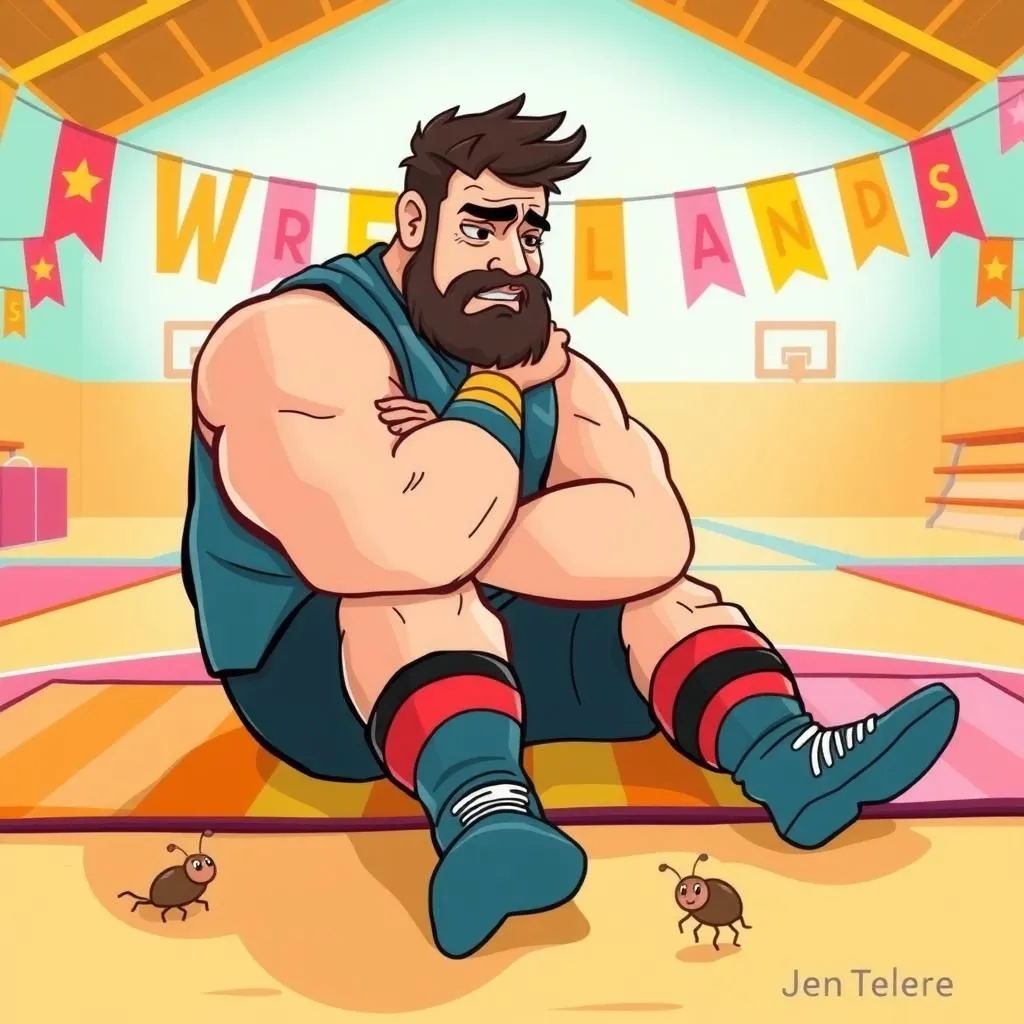
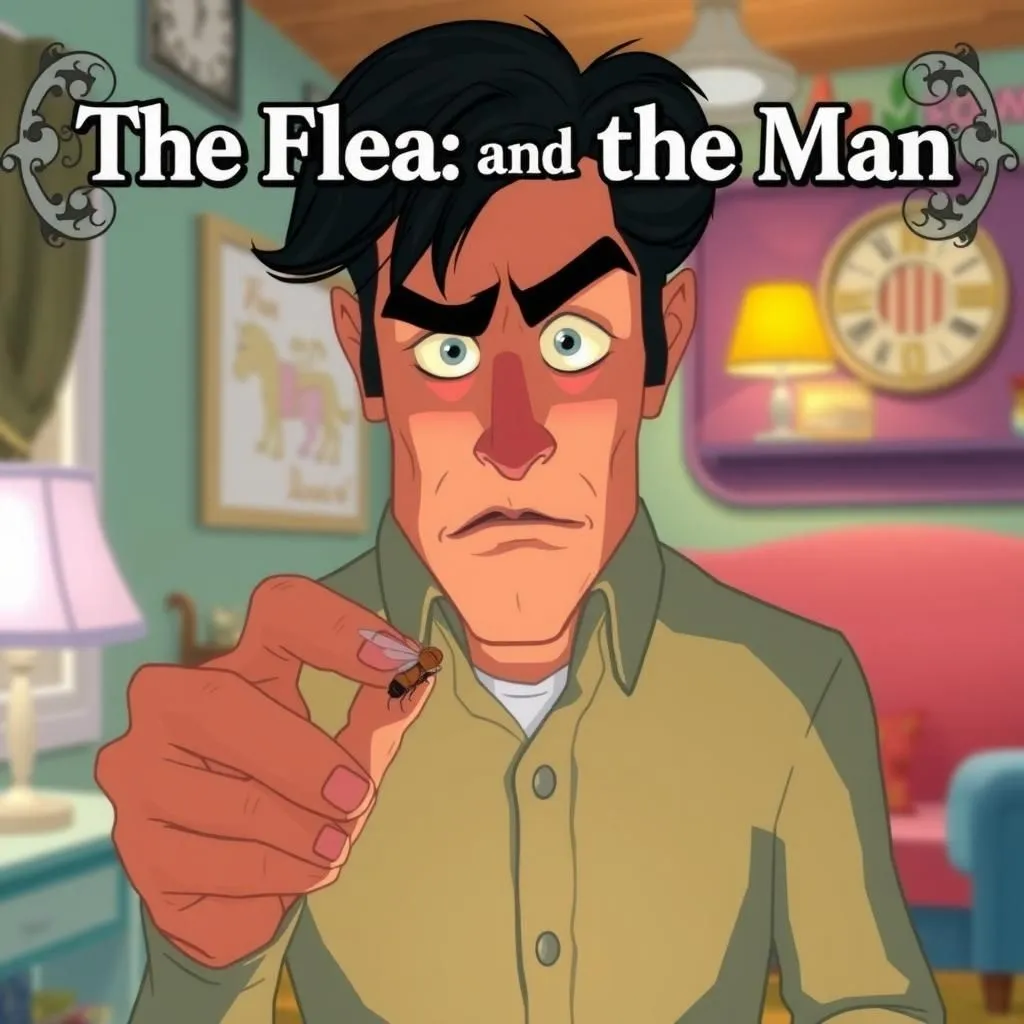
In "The Flea and the Wrestler," a popular moral story, a Wrestler, bitten by a Flea, calls upon Hercules for help. Frustrated by his inability to defeat such a minor foe, he questions how he can expect assistance against larger challenges, highlighting the lessons learned from stories about facing one's fears, no matter how small. This engaging moral tale serves as a reminder that overcoming even the smallest obstacles is essential for tackling greater adversities.
The moral of the story is that if one cannot handle small challenges, they are unlikely to succeed against larger ones.
This story reflects the ancient tradition of using humor and exaggeration in fables to convey moral lessons, often attributed to Aesop, a storyteller from ancient Greece. It highlights themes of human vulnerability and the folly of seeking help from higher powers for minor problems, a motif that resonates through various retellings and adaptations in literature, including works by authors like Jean de La Fontaine and later adaptations in children's literature. The reference to Hercules, a symbol of strength and heroism in Greek mythology, underscores the irony of invoking a demigod for trivial grievances.
This fable illustrates the importance of addressing small challenges before they escalate into larger ones, a lesson that resonates in modern life as we navigate everyday stressors. For instance, a student overwhelmed by minor assignments may ignore them, leading to a larger crisis when looming deadlines approach, highlighting the need for proactive management of even the smallest tasks.

In "Jupiter and the Sharecropper," a prideful sharecropper learns a valuable lesson about humility when he arrogantly attempts to control the weather for a prosperous harvest, only to fail while his neighbors thrive. This uplifting moral story illustrates the importance of trusting in Providence rather than one's own hubris, ultimately conveying that true success comes from acceptance and faith. Through this meaningful story with moral, readers are reminded of the lessons learned from stories that emphasize the value of humility and reliance on a higher power.

In this simple short story with a moral, a Carter finds his wagon stuck in a rut and, instead of taking action, prays to Hercules for help. Hercules scolds him for his laziness, prompting the Carter to unload valuable goods, which allows the horses to easily pull the wagon free. This short moral tale emphasizes the importance of self-reliance and taking initiative in the face of challenges, making it a noteworthy entry among top 10 moral stories in folklore.

In "The Power of the Scalawag," a Forestry Commissioner hastily abandons his axe after cutting down a magnificent giant tree upon encountering an honest man. Upon his return, he finds a poignant message on the stump, lamenting how quickly a scalawag can destroy nature's centuries of toil and wishing for a similar fate for the wrongdoer. This timeless moral story serves as a powerful reminder of the consequences of greed and carelessness, making it an engaging quick read for kids.
Flea vs. Wrestler, Hercules and the Tiny Terror, The Wrestler's Tiny Adversary, Battling a Flea, Hercules, Help Me! Flea Fiasco, The Mighty and the Minuscule, Wrestler's Flea Dilemma
This fable highlights the theme of seeking help for seemingly trivial problems, suggesting that if one cannot handle minor annoyances, they may struggle with larger challenges. It also reflects on the irony of calling for divine assistance while facing a small adversary, emphasizing the need for self-reliance in the face of life's struggles.
Get a new moral story in your inbox every day.