
The Thrift of Strength
In "The Thrift of Strength," a weak man chooses a downhill path for ease but seeks help from a strong man to climb back up the hill. Embracing the idea of moral-based storytelling, the strong man views his strength as a sacred gift meant for others and invites the weak man to push him from behind as they ascend together. This thought-provoking moral story highlights the importance of using one's gifts to assist others, making it a perfect addition to childhood stories with moral lessons for bedtime.

Reveal Moral
"The moral of the story is that true strength lies in using one's abilities to help others, encouraging collaboration and mutual support in overcoming challenges."
You May Also Like

The Hares and the Lions
In "The Hares and the Lions," a simple short story with moral undertones, the Hares passionately advocate for equality among all animals during a gathering. However, the Lions counter their argument by highlighting the practical challenges of true equality, given the Hares' lack of physical strength and defenses. This culturally significant moral story prompts readers to reflect on the complexities of equality in a world where power dynamics exist.

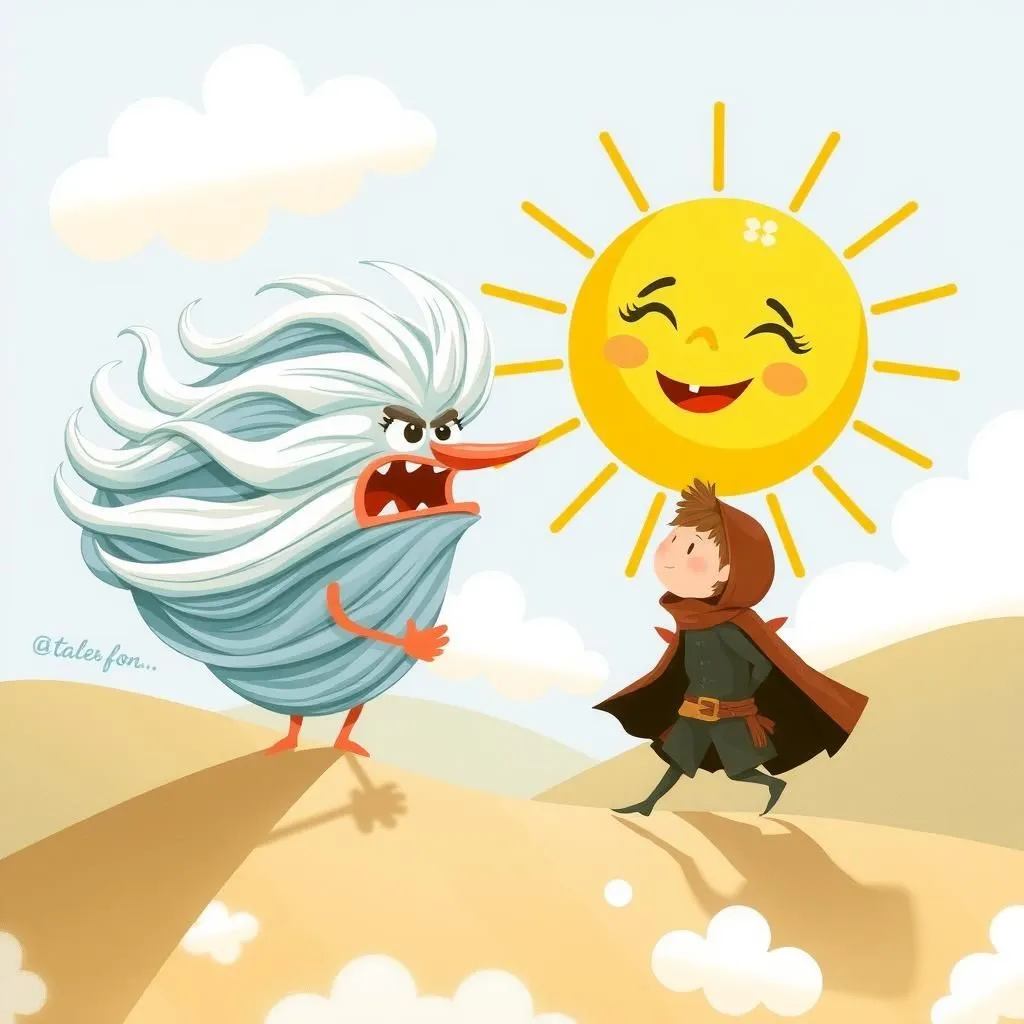
The Wind and the Sun
In this captivating moral story for kids, the Wind and the Sun argue over who is stronger and decide to test their powers on a traveler by making him remove his cloak. The Wind's aggressive approach fails, as the traveler clings tighter to his cloak, while the Sun's gentle warmth convinces him to take it off. This uplifting moral tale illustrates that kindness is often more effective than severity, making it a valuable lesson for class 7 students.

The Wolf and the Ostrich
In the creative moral story "The Wolf and the Ostrich," a wolf chokes on a bunch of keys after eating a man and asks an ostrich for help to retrieve them. The ostrich obliges but humorously claims that a kind act is its own reward, asserting that she has eaten the keys instead. This whimsical tale serves as a life-lesson moral story, illustrating that selflessness does not always seek a reward.