Story Summary
Experience the selfless tale of Prince Vessantara's Generosity, a Buddhist Jataka story about a prince who gives away everything to achieve perfect virtue.
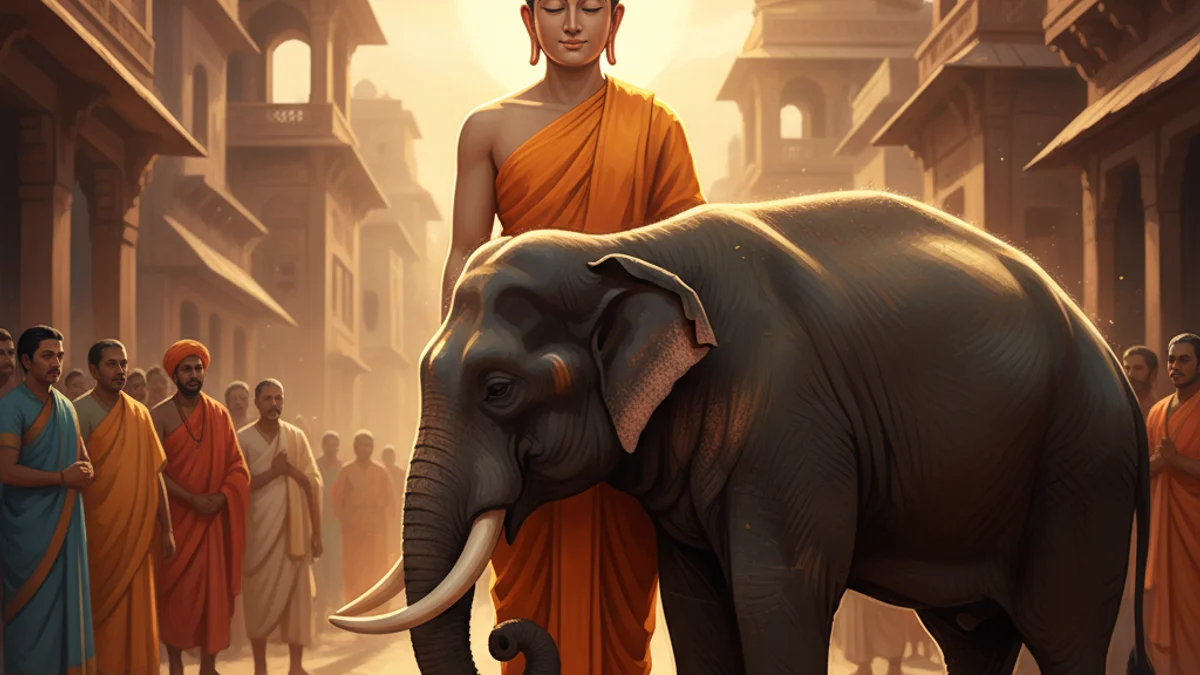
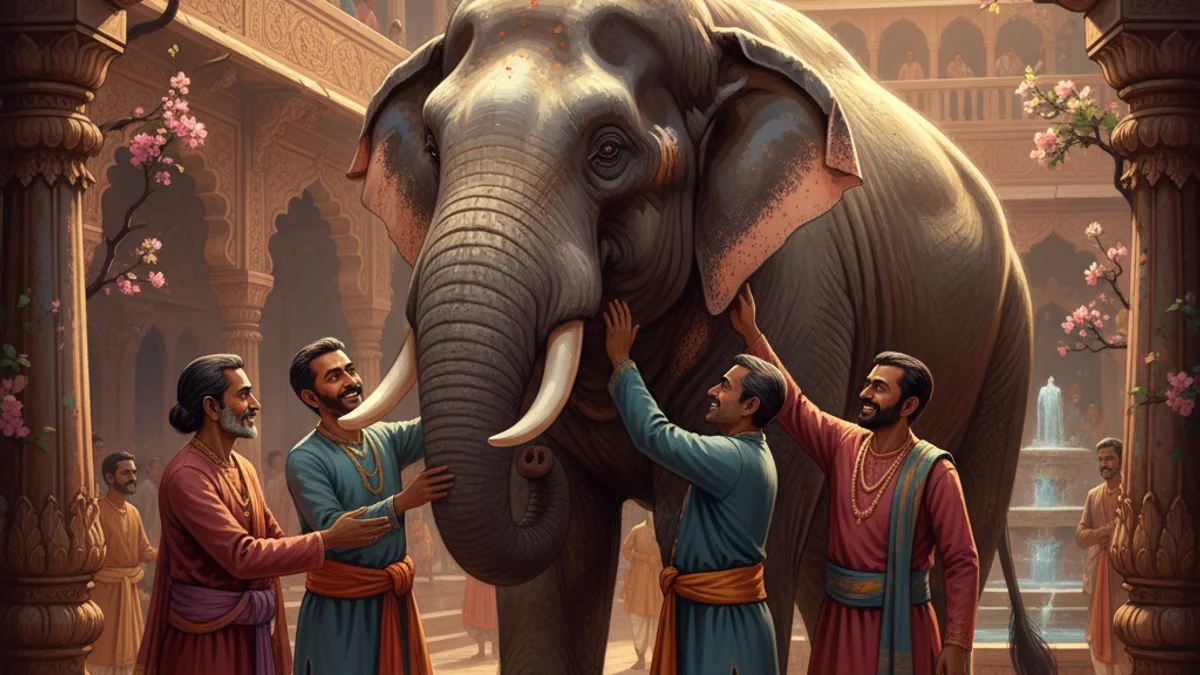
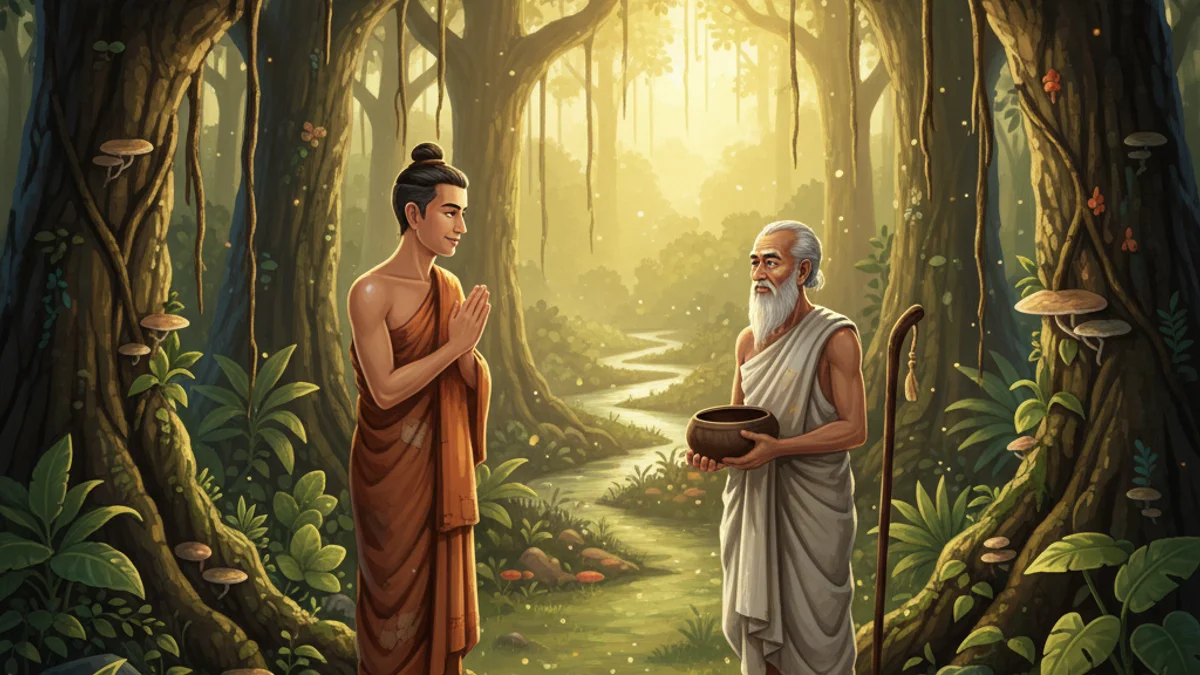
Prince Vessantara, a previous incarnation of the Buddha, was known for his extraordinary compassion. Driven by a vow of perfect generosity, he gave away the kingdom’s sacred white elephant, believed to bring rain, to a neighboring drought-stricken land. Outraged, the citizens demanded his exile. Vessantara, accompanied by his devoted wife Madri and two children, retreated to the forest. While in exile, a greedy brahmin named Jujaka approached him, asking for his children to be his servants. To reach the perfection of giving, Vessantara endured the heartbreak of letting them go. Finally, the god Indra appeared in disguise to ask for Madri, testing Vessantara's ultimate detachment. Having proven his selfless virtue, Indra revealed his identity, reunited the family, and restored Vessantara to his kingdom, where he ruled with wisdom and infinite charity.
The Moral
True generosity is the ultimate renunciation of the ego, requiring one to give up even the things they hold most dear for a higher spiritual purpose.
“My heart is fixed on the goal of supreme enlightenment; therefore, I give what is most dear to me.”
Fun Fact
In Thailand, the Vessantara Jataka is the focus of a major annual festival called 'Thet Mahachat,' where monks recite all thirteen chapters of the story over several days.
Frequently Asked Questions
What is the moral of Prince Vessantara's Generosity?
The moral is that supreme generosity requires the complete abandonment of selfish attachment. It demonstrates that true charity involves giving without expectation of reward, even when it involves personal sacrifice.
Who is Jujaka in the Vessantara Jataka?
Jujaka is a greedy and cruel old brahmin who asks Prince Vessantara for his children to work as slaves. He serves as the ultimate test of the Prince's vow to never refuse a request.
Why was Prince Vessantara exiled from his kingdom?
He was exiled because he gave away a sacred white elephant that was believed to possess the power to bring rain. The citizens feared the loss of the elephant would lead to famine and disaster for their own land.
What does the white elephant symbolize in this story?
The white elephant symbolizes national prosperity, royal power, and the physical well-being of the kingdom. Giving it away represents Vessantara's priority of universal compassion over nationalistic interests.
How does the story of Prince Vessantara end?
The story ends happily when the god Indra intervenes, ensuring the children are ransomed by their grandfather and the family is reunited. Vessantara is welcomed back to the palace and continues his life of great charity as king.
Why is this Jataka tale important in Buddhism?
It is considered the most significant Jataka because it represents the 'Perfection of Giving' (Dana Paramita). It was the Buddha's final human life before his birth as Siddhartha Gautama.
Discussion (0)
Share your thoughts on this story
No comments yet. Be the first to share your thoughts!